4.8 Trusted Shops 22.167 reviews
Free Shipping from 149,-
1,000,000+ satisfied customers preceded you
Celebrating our 10th anniversary this year
Free Shipping from 149,-
4.8 Trusted Shops 22.167 reviews
Free Shipping from 149,-

What can you do with a vacuum sealer?

What can you do with a vacuum sealer?
You can vacuum-pack many kinds of food, such as meat, fish, vegetables, fruit and even soups and sauces. Vacuum packing can help extend shelf life, preserve flavor and reduce food waste.
What is a vacuum sealer?

What is a vacuum sealer?

A vacuum sealer is a kitchen appliance used to keep food fresh for longer and to prevent food waste. The device works by removing the air from the packaging, which slows the growth of bacteria and molds. As a result, food stays edible for longer and retains its flavor and nutrients. Vacuum sealers are often used in the hospitality industry, butcher shops, fishmongers and supermarkets to keep food fresh. Home users are also increasingly using vacuum sealers to store food, marinate, and prepare meals in advance.

How does a vacuum sealer work?

How does a vacuum sealer work?

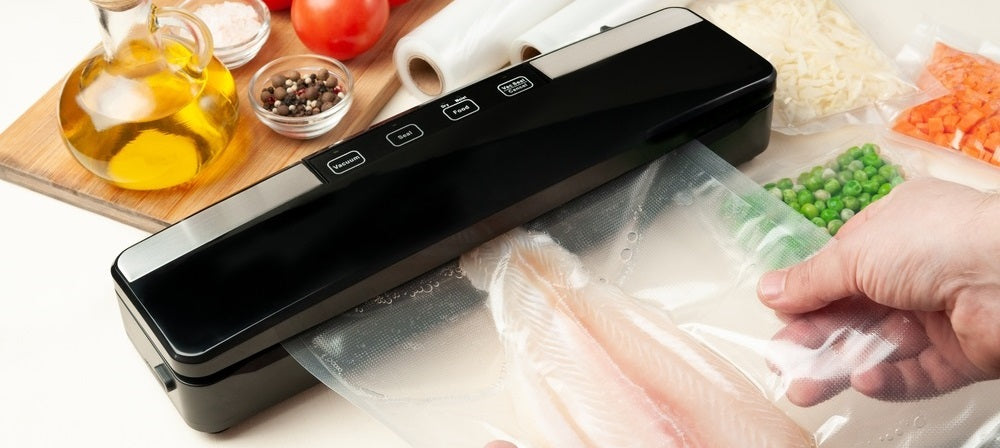
A vacuum sealer works by removing the air from the vacuum bags around the food, which helps it stay fresh longer. The device usually consists of a vacuum chamber and a sealer. First the food is placed in the vacuum chamber. Then the vacuum pump is activated, which sucks the air out of the packaging. This creates a vacuum inside the packaging and removes the air. The sealer is then used to close the package.

What can you vacuum-pack?

What can you vacuum-pack?

With a vacuum sealer you can vacuum-pack many different types of food. This keeps food fresher longer and allows you to store it without it spoiling.

Some examples of foods you can vacuum-pack are:

  • Meat: Raw meats such as beef, pork, chicken, fish and cooked meats.
  • Vegetables: Fresh vegetables like lettuce, carrots, broccoli and green beans.
  • Fruit: Ripe fruit like apples, pears and berries.
  • Cheese: Hard cheeses such as Gouda and Cheddar.
  • Coffee beans and loose tea.
Why vacuum-pack food?

Why vacuum-pack food?

With a vacuum sealer you can vacuum-pack a wide variety of foods. Several reasons for vacuum-packing have already been mentioned. There are multiple advantages to vacuum-packing your food. These include: extending the shelf life of food and preventing food waste; preserving the taste and texture of food; retaining nutrients; ideal for preparing meals in advance, sous-vide cooking and storing food in the freezer; and helping to organize the fridge and freezer by taking up less space than traditionally packaged items.

What should you not vacuum-pack?

What should you not vacuum-pack?

Not everything can go into the vacuum sealer. There are some foods you should avoid vacuum-packing due to health risks or quality loss.

So before you start, it's wise not to vacuum-pack the foods listed below:

  • Soft fruit: soft fruits such as strawberries, raspberries and blackberries can be crushed by the vacuum suction and become damaged.
  • Mushrooms are porous and can lose their structure when vacuum-packed.
  • Fresh garlic naturally contains bacteria that can grow in oxygen-free conditions.
  • Cooked eggs in a vacuum sealer can be subjected to too much pressure, causing them to crack and potentially allowing dangerous bacteria to grow.
  • Carbonated drinks in a vacuum package can cause the bottle or can to burst and the drink to be lost.
How long does vacuum-packed food stay good?

How long does vacuum-packed food stay good?

Vacuum-packed food generally stays good longer than non-vacuum-packed food. The exact shelf life depends on several factors, such as the type of food, the temperature and the conditions in which it's stored. For example, it's recommended to keep meat below 4 degrees Celsius to prevent bacterial growth. It should also be stored in a dry place and the packaging should be protected from light and air. In general, vacuum-packed food can last up to 5 times longer than non-vacuum-packed food. For example, you can vacuum-pack cheese and keep it for up to 2 months keep in the fridge, while non-vacuum-packed cheese only stays good for a few weeks.

Vacuum bags

Vacuum bags

Vacuum bags are essential for using a vacuum sealer. By using vacuum bags the air is removed from the packaging, preventing bacteria and molds from developing. Rolls are available in different sizes and thicknesses depending on the size of the food to be packed. It's important to use high-quality vacuum bags to achieve the best results. Cheap rolls can lead to leaks, causing the food to spoil anyway.

Also pay attention to the thickness of the rolls when purchasing. Thicker rolls offer more protection and are suitable for food that needs to be stored for longer.

Related howto's

With a vacuum sealer you can vacuum-pack foods so no air gets in, allowing you to store them longer. A vacuum sealer is also useful for preparing meals in advance and freezing them. This way the food stays fresh and retains its flavor and nutrients.

Vacuum packing prevents freezer burn — the drying out and discoloration of food caused by exposure to air in the freezer.