4.8 Trusted Shops 22.167 reviews
Free Shipping from 149,-
1,000,000+ satisfied customers preceded you
Celebrating our 10th anniversary this year
Free Shipping from 149,-
4.8 Trusted Shops 22.167 reviews
Free Shipping from 149,-

Make the best fries yourself!

Tip: place a cutting board or plate behind the fry cutter to catch the fries neatly and prevent them from rolling across your countertop.

Choose the right attachment for your fries

Most fry cutters come with several attachments in different sizes, for example 9x9 mm for thin fries, 10x10 mm for a classic size, or 12x12 mm for thick Belgian-style chips. Each attachment consists of two parts: a back plate and a cutting blade. Make sure you insert the blade with the sharp edge facing inward, otherwise it won't cut properly. Choose the size based on what you want to make and how crispy you want the final result to be. Thinner fries cook faster and become crispier, while thicker fries have a softer interior.

Choose the right attachment for your fries

Secure the fry cutter firmly to the countertop

A fry cutter works best when it's held in place. Most models have a suction cup on the bottom that you use to attach the appliance to your countertop. Press the suction cup firmly onto a clean, smooth and dry surface. If the cutter moves during use, cutting requires more force and the results suffer. Make sure the countertop is dry before applying the suction cup, otherwise it won't stick well. It may sound like a small detail, but it makes cutting much easier and safer.

Secure the fry cutter firmly to the countertop

Prepare your potatoes properly

Wash your potatoes thoroughly and peel them if you prefer. For fries with skin you can leave them unpeeled as long as they're clean. Trim the potatoes so they fit the opening of the fry cutter. A potato that's too large won't pass through properly and will give uneven results. Preferably use waxy or slightly floury potatoes — they give the best texture after frying or baking. Potatoes that are too watery will result in limp fries.

Prepare your potatoes properly

Cut the fries in one smooth motion

Place the potato in the opening of the fry cutter and press the handle down with a firm, even motion. This produces perfectly cut fries. You'll need less force for thinner sizes and a bit more for thicker blades. If it doesn't go smoothly, cut the potato into smaller pieces first to distribute the force more evenly. Put a plate or cutting board behind the device to catch the fries. This keeps your workspace tidy and prevents losing any fries.

Cut the fries in one smooth motion

Try other vegetables too

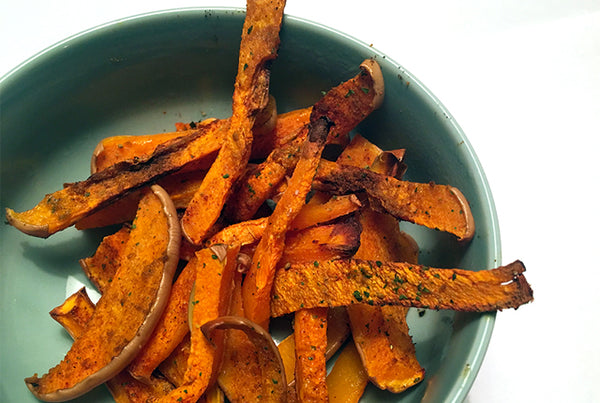
A fry cutter isn't just for potatoes. Sweet potato, zucchini or carrot also work well, as long as they fit in the appliance and aren't too hard. Very hard vegetables like raw beetroot or celeriac require more force and can be more difficult. In that case cut them into smaller pieces before pushing them through. Vegetable sticks are a fun and healthier alternative and also look great on the table alongside a dip.

Try other vegetables too

Cook the fries your way

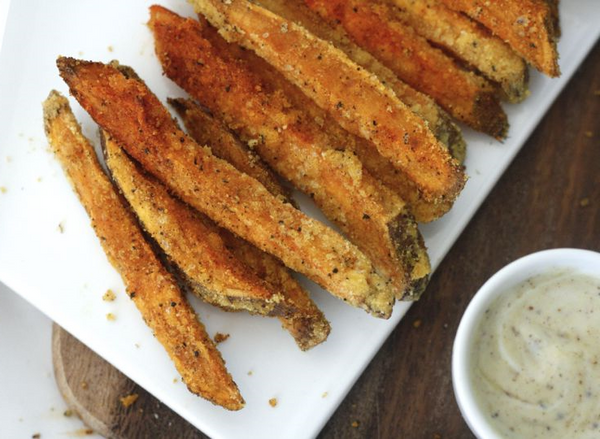
After cutting you can prepare the fries in several ways. Classic frying in a fryer gives the crispiest and most golden result. Want something lighter? Toss the fries with a little oil on a baking sheet and cook them in the oven at 200°C (390°F). Add seasonings like paprika powder, rosemary or garlic powder for extra flavor. Freshly cut fries have better texture than prepackaged ones thanks to their fresh cut surfaces, and they absorb seasonings better.

Cook the fries your way

Clean the fry cutter after use

After use, rinse the parts of the fry cutter under warm water. Remove the attachment and the cutting blade separately and be careful when cleaning the blade, as the cutting edge is sharp. Use a dish brush instead of a sponge to protect your fingers. Let the parts dry thoroughly before storing them to prevent rust on the blade. This will keep your fry cutter in good condition and ready for the next batch of homemade fries.

Clean the fry cutter after use

A fry cutter makes it easy and quick to cut uniform fries. You choose the thickness by selecting the correct attachment. Thinner cutting blades produce more fries per potato, ideal if you want thin French fries. Thicker blades yield hearty Belgian-style chips. The fry cutter also works well with other vegetables like sweet potato or zucchini, as long as they fit in the appliance.

After cutting you can prepare the fries in several ways. Classic frying gives the crispiest results, but they also turn out great in the oven with a drizzle of oil and some seasonings. Because you control the thickness and use fresh potatoes, you have full control over texture and taste. That's exactly what makes homemade fries so delicious.